

Management TeamExtended Leadership TeamAsiaAfricaEmeritus Scientists
11 staff member(s)
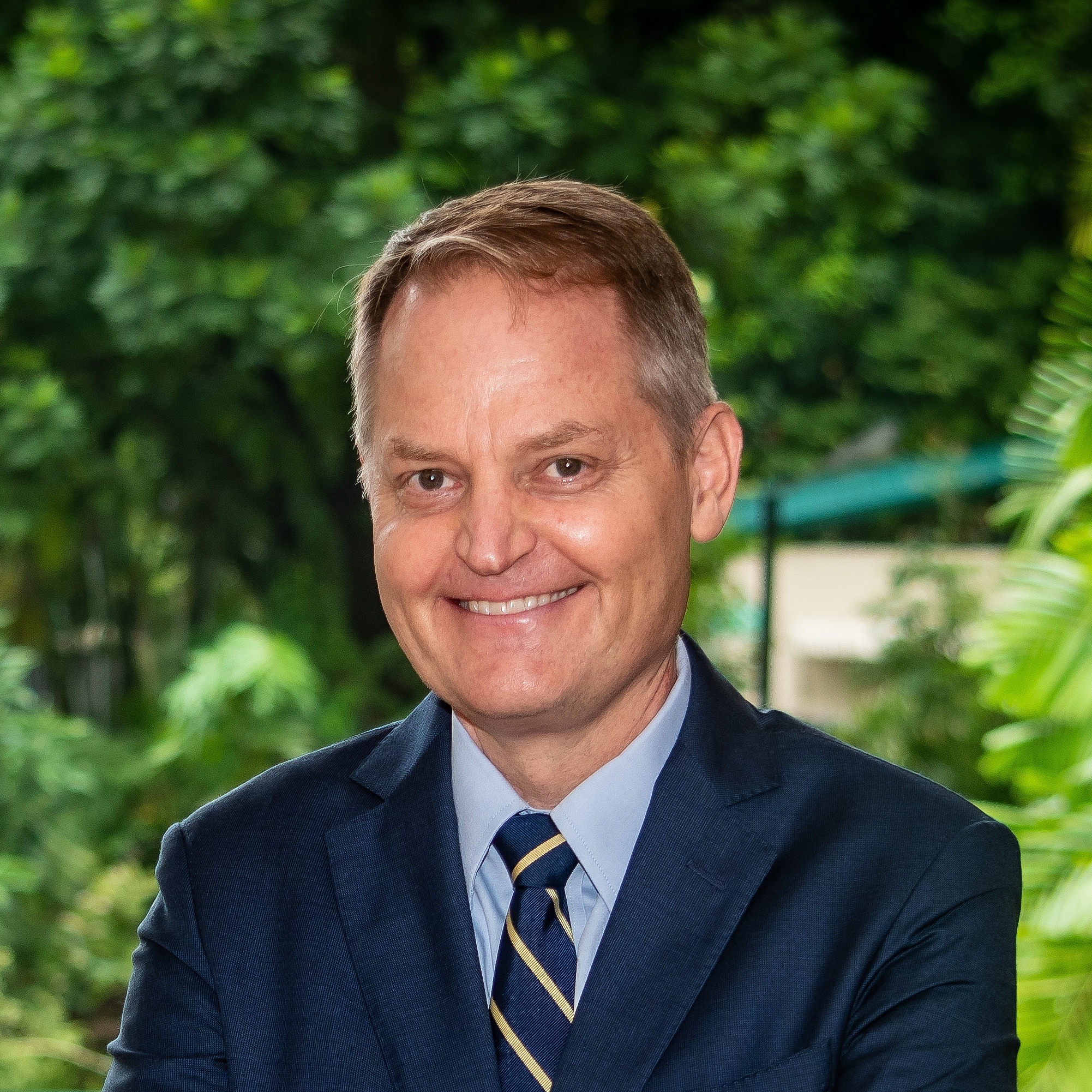
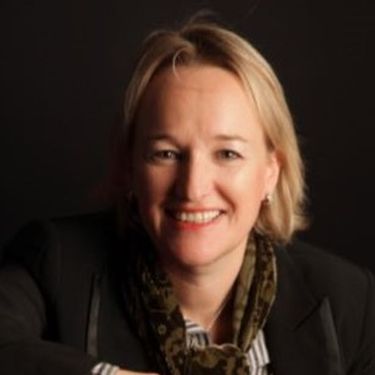
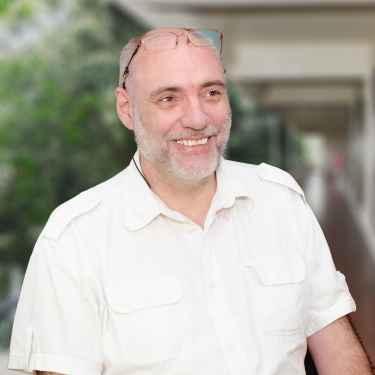
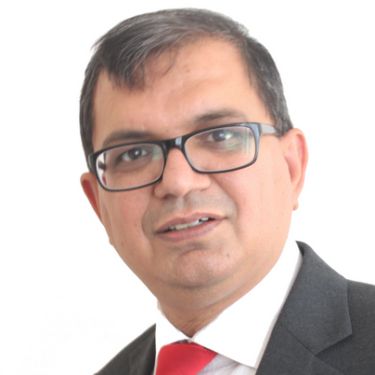
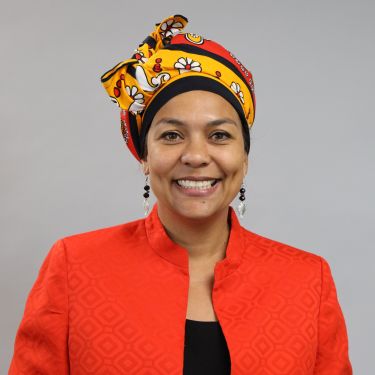
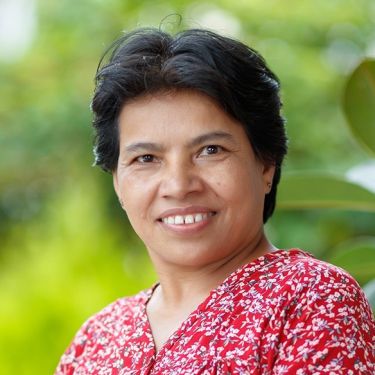
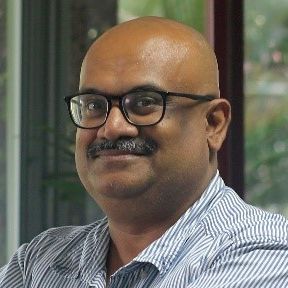
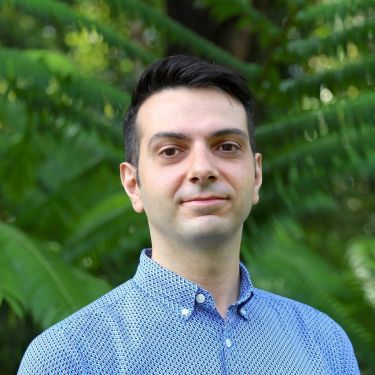
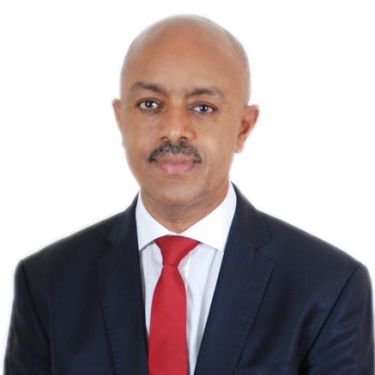
Abdulkarim Seid
Country Representative – Ethiopia, Regional Representative – East Africa (Rotational CR)
22 staff member(s)
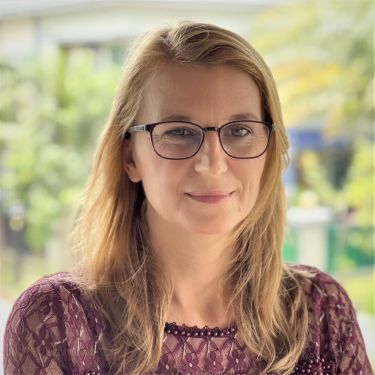
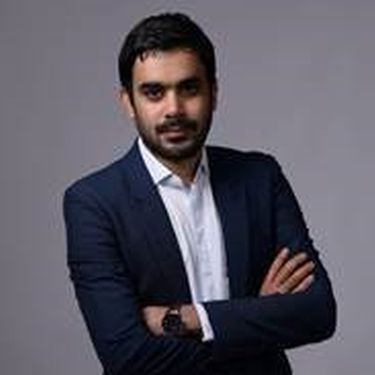
Youssef Brouziyne
Regional Representative & CGIAR Water System Lead in MENA region (Rotational CR) – CR Rep-rotational (6 months)
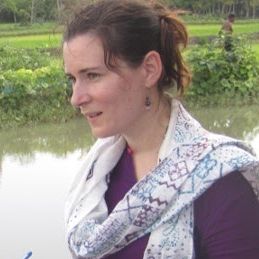
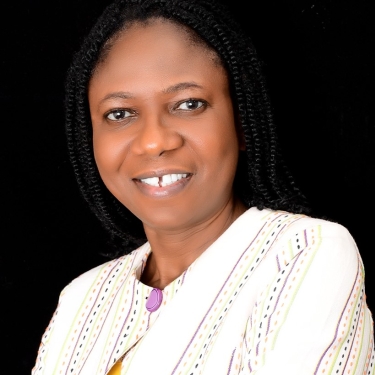
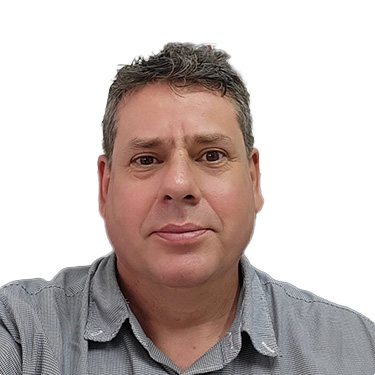
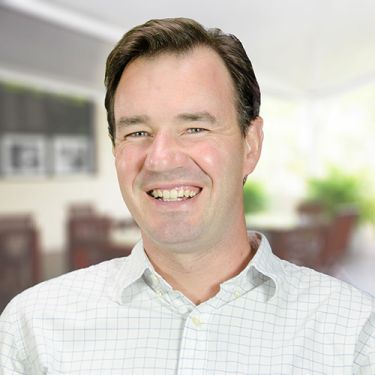
Mark Dubois
Country Representative and CGIAR Water Systems Lead - Laos; Regional Representative South East Asia
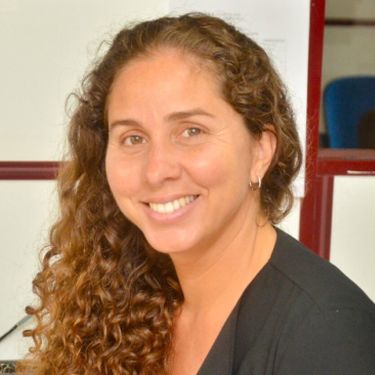
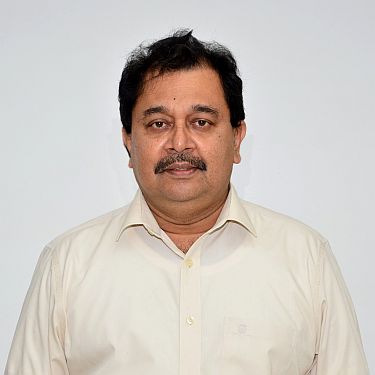
Gamini Halvitige
Head of Finance
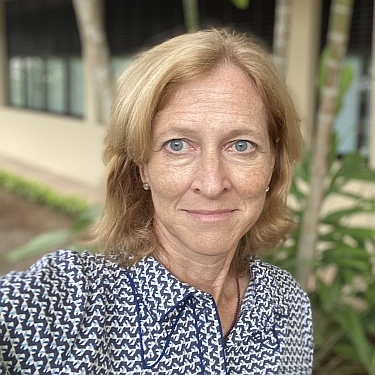
Anne Heese
Head of Human Resources

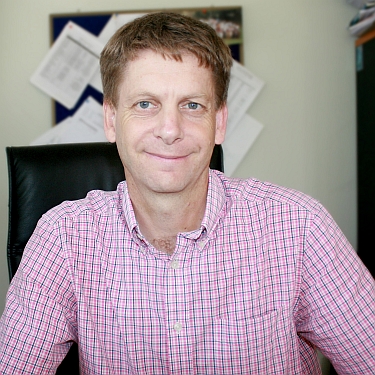

Nirudha Perera
Head of Information and Communications Technologies
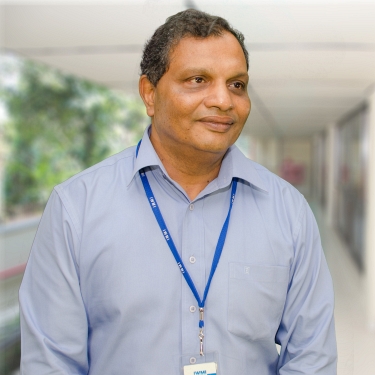
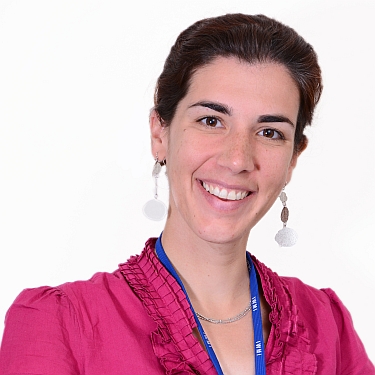
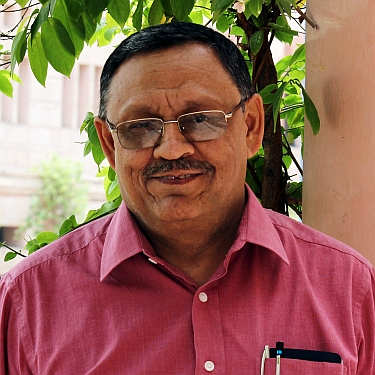
Nilantha Sangapalaarachchige
Head, Facilities and Administration
Headquarters – Sri Lanka
50 staff member(s)
| Full Name | Designation |
| Mark Smith | Director General |
| Rachael McDonnell | Deputy Director General – Research for Development |
| Wasudha Abeyrathna | Project Coordinator |
| Mohamed Aheeyar | Researcher |
| Niranga Alahacoon | Researcher - Remote Sensing and Disaster Risks |
| Upali Amarasinghe | Senior Researcher |
| Giriraj Amarnath | Principal Researcher – Disaster Risk Management and Climate Resilience |
| Indika Arulingam | Senior Research Officer |
| Emmanuel Attoh | Researcher - Climate Adaptation Specialist |
| Susanne Bodach | Research Group Leader – Integrated Circular Economy Transformations (ICET) |
| Marie-Charlotte Buisson | Research Group Leader – Economics and Impact Assessment (EcIA) |
| Sanjiv de Silva | Senior Regional Researcher - Natural Resources Governance |
| Thakshila Dharmapriya | Scientific Manuscript Examiner |
| Chris Dickens | Principal Researcher |
| Sujeewa Dissanayaka | Research Analyst - Remote Sensing and GIS |
| Pay Drechsel | Senior Fellow-Advisor - Research Quality Assurance (Interim Country Manager) |
| Nishadi Eriyagama | Regional Researcher - Water Resources Engineer, Deputy Country Manager - Sri Lanka |
| Mariangel Garcia Andarcia | Research Group Leader – Water Futures Data & Analytics (WFDA) |
| Surajit Ghosh | Regional Researcher – Water Risk and Data Sciences Specialist |
| Gamini Halvitige | Head of Finance |
| Anne Heese | Head of Human Resources |
| Bunyod Holmatov | Research Group Leader – Water, Food, Energy Nexus (WFEN) |
| Mahesh Jampani | Regional Researcher – Water Risks, Climate Change and Health |
| Nilanthi Jayathilake | Researcher - Septage Management and Reuse |
| Radheeka Jirasinha | Researcher - Freshwater and Wetland Management |
| Deepa Joshi | Gender, Youth and Inclusion Lead Specialist |
| Juliana Knapp | Senior Manager - Resource Mobilization and Partnerships |
| Mansoor Leh | Researcher - Spatial Hydrology |
| Lahiru Madushanka | Research Officer – Water Data Cloud Analytics |
| Thilina Madushanka | National Researcher - Hydrology and Water Management |
| Lisa Maria Rebelo | Principal Researcher (Earth Observation for Sustainable Development) |
| Javier Mateo-Sagasta | Senior Researcher and Coordinator-Water Quality |
| Karthikeyan Matheswaran | Researcher - Water Productivity |
| Matthew McCartney | Research Group Leader – Sustainable Water Infrastructure and Ecosystems |
| Lal Muthuwatta | Senior Regional Researcher - Hydrological Modeling-Remote Sensing, Deputy Country Manager - Sri Lanka, CGIAR Country Convener - Sri Lanka |
| Syon Niyogi | Chief Operating Officer |
| Rodrigo Ordóñez | Global Communications Lead for Water Systems |
| Nirudha Perera | Head of Information and Communications Technologies |
| Vidhisha Samarasekara | Strategic Program Director – Water Climate Change and Resilience |
| Nilantha Sangapalaarachchige | Head, Facilities and Administration |
| Petra Schmitter | Research Group Leader – Climate Mitigation & Adaptation Pathways (CMAP) |
| Manahari Singarachchi | Project Coordinator |
| Avinandan Taron | Researcher - Investment and Institutional Analyst for RRR Business Development |
| Mark Thomson | Director - Business Strategy and Delivery |
| Julie van der Bliek | Director – Multilateral and Bilateral Innovative Finance & Resource Mobilization (IFRM) |
| Davy Vanham | Senior Researcher - Integrated Modeling and Assessment |
| Naga Manohar Velpuri | Research Group Leader – Water Data Science for Action (WDSA) |
| Chaturangi Wickramaratne | Researcher - Freshwater Ecologist |
| Darshana Wickramasinghe | Research Analyst - Remote Sensing and GIS |
| Asmi Yazeen | Head of Program Management |
South Asia
Anand
8 staff member(s)
| Full Name | Designation |
| Subhodeep Basu | Research Officer – Rural Livelihoods |
| Suchiradipta Bhattacharjee | Policy Engagement Specialist |
| Philip Kuriachen | Researcher - Water and Livelihoods |
| Mutum Lamnganb | Postdoctoral Fellow - Water, Energy, Food and Ecosystems |
| Deepa M P M | National Researcher - Water and Energy |
| Vidya Mandave | Research Officer – Water and Agricultural |
| Nikunj Usadadia | Research Officer – Action Research |
| Shilp Verma | Senior Researcher - Water-Energy-Food Policies, Deputy Country Representative - India |
New Delhi
22 staff member(s)
| Full Name | Designation |
| Faiz Alam | Regional Researcher |
| Anurag Banerjee | Research Officer- Economics of Water Policy and Climate Change |
| Abhijit Behera | Research Officer - Land and Water Management |
| Dhyey Bhatpuria | Researcher – Environmental Data Analyst |
| Shreya Chakraborty | Researcher – Climate Change Policy and Adaptation |
| Navya Chandu | Research Officer - Water Resource Management |
| Gopal Kumar | Researcher - Agroecology-Natural Resources Management |
| Smaranika Mahapatra | National Researcher - Water Data Modelling |
| Sudharsan Malaiappan | IWMI-ITC Project Research Officer |
| Archisman Mitra | Regional Researcher |
| Syed Mizan | Researcher – Groundwater Hydrology |
| Suman Padhee | Researcher – Water Risk Modeler |
| Shweta Panjwani | Researcher - Data Analysis and Visualization Analyst |
| Manikanta Radhakrishna | Research Officer - Economics of Water Policy and Climate Change |
| Darshini Ravindranath | Research Group Leader – Climate Policies, Finance and Processes (CPFP) |
| Dipaka Sena | Researcher - Hydrology and Water Resources Management |
| Alok Sikka | Country Representative - India (Rotational CR) |
| Garima Taneja | Research Officer - Economics |
| Mansi Tripathi | Researcher – Resource Recovery and Reuse |
| Sahana V | Researcher - Water Risk Modeler |
| Deepak Varshney | Regional Researcher |
| Shweta Yadav | National Researcher – Water Quality and Waste Management |
Nepal
14 staff member(s)
| Full Name | Designation |
| Anil Aryal | National Researcher – Water Resources Management |
| Marlene Buchy | Senior Researcher - Social Scientist, Deputy Country Representative - Nepal |
| Jibesh K.C | Research Officer - Resilient Water Management and Livelihoods |
| Darshan Karki | National Researcher - Gender Social Inclusion and Youth |
| Sumitra KC | National Researcher - Policy and Water Governance |
| Manohara Khadka | Country Representative – Nepal (Rotational CR) |
| Sanju Koirala | National Researcher - Social Science, Water and Natural Resources |
| Anuj Mishra | Research Officer - Socio-Technical Innovation |
| Santosh Nepal | Researcher - Water Resources and Climate Change |
| Nilhari Neupane | Researcher – Development Economist and Quantitative Analysis |
| Saurav Pradhananga | Senior Research Officer - Climate Change and Hydrology |
| Indu Sharma | Postdoctoral Fellow - Inclusive Governance and Nutrition Sensitive Agri-food Systems |
| Nirman Shrestha | Regional Researcher - Agricultural Water Management |
| Shisher Shrestha | National Researcher - Renewable Energy Water & Climate Change |
Pakistan
31 staff member(s)
| Full Name | Designation |
| Muhammad Ali | Researcher – Economist |
| Hafsa Aeman | Senior Research Officer – Geoinformatics |
| Iqra Akram | Senior Research Officer – Water & Climate Policy |
| Adnan Ali | Senior Research Officer - Water Management |
| Zeshan Ali | Senior Research Officer - Hydrologist |
| Azeem Ali Shah | Researcher – Water Governance Institutions |
| Hameed Alizai | Senior Research Officer - Community Mobilizer |
| Muhammad Arshad | Researcher - Integrated Water Resources Management Specialist, Deputy Country Representative - Pakistan |
| Khadija Begum | Gender and Youth Specialist |
| Tousif Bhatti | Regional Researcher – Water Management |
| Abdur Cheema | Regional Researcher – Water Governance and Institutional Specialist |
| Muhammad Cheema | Researcher - Water Resources Management |
| Fiza Faizi | Senior Research Officer - Geoinformatics |
| Sumble Ghani | Remote Sensing & GIS Officer |
| Hammad Gilani | Researcher - Remote Sensing and GIS |
| Mohsin Hafeez | Director of Water, Food and Ecosystems |
| Abdul Hakeem | National Researcher - Irrigation Agronomist |
| Kashif Hussain | Senior Field Officer - Agriculture Water |
| Shahid Iqbal | Regional Researcher - Water Modelling |
| Naveed Iqbal | Regional Researcher - Hydrologist |
| Novaira Junaid | National Researcher – Economist |
| Syed Khair | Regional Researcher – Applied Agronomic Expert |
| Sidra Khalid | National Researcher – Gender and Social Inclusion |
| Umar Liaqat | Regional Researcher – Spatial Hydrology |
| Anwar Maqsood | Senior Research Officer - Hydrologist |
| Sarfraz Munir | Regional Researcher - Water Management |
| Asif Naseer | National Researcher - Water Resources Management |
| Abdul Rasheed | National Researcher - Applied Adaptive Agriculture Specialist |
| Kanwal Waqar | Researcher – Gender and Youth Specialist |
| Muhammad Zain Akbar | Research Officer – Policy and Water Governance |
| Muhammad Zohaib | National Researcher - Remote Sensing and GIS |
Southeast Asia
Laos
5 staff member(s)
| Full Name | Designation |
| Ammala Chanthalath | Research Officer - Participatory Methods |
| Somphasith Douangsavanh | Regional Researcher - Hydrogeologist |
| Souphalack Inphonephong | National Researcher - Social-Political Scientist |
| Paul Pavelic | Senior Researcher |
| Viengxay Xaydala | National Researcher – Social Science |
Myanmar
2 staff member(s)
| Full Name | Designation |
| Phay Ko U | Project Coordinator |
| Palal Moet | Research Officer |
Central Asia
Uzbekistan
3 staff member(s)
| Full Name | Designation |
| Zafar Gafurov | Researcher - Remote Sensing-GIS |
| Shavkat Kenjabaev | National Researcher - Water Resources Management |
| Saida Usmonova | Research Officer - Small-scale Hydropower Energy Specialist |
West Africa – Accra – Ghana
25 staff member(s)
| Full Name | Designation |
| Noah Adamtey | Senior Researcher - Resource Recovery and Agri-food System Expert |
| Dzifa Agbefu | Innovation Hub Coordinator |
| Komlavi Akpoti | Post-Doctoral Fellow-Spatial Hydrology |
| Sarah Appiah | Research Officer - Social Scientist |
| Gerald Atampugre | Integrated Expert in Natural and Social Sciences |
| Zemadim Birhanu | Senior Researcher - Water and Land Management Expert |
| Olufunke Cofie | Country Representative – Ghana, Regional Representative – West Africa (Rotational CR) |
| Moctar Dembele | Regional Researcher – Spatial Hydrology |
| Kekeli Gbodji | Research Officer - Inclusive Agricultural Finance |
| Solomie Gebrezgabher | Senior Researcher - Economics |
| Sandra Hyde | Research Officer - Social Sciences |
| Mirja Michalscheck | Postdoctoral Fellow - Innovation Scaling |
| Eric Nartey | Research Officer - Recycling and reuse |
| Salomon Obahoundje | Postdoctoral Fellow – Geospatial Tools for Water Management |
| Abena Ofosu | Senior Research Officer -Innovation Scaling |
| Adebayo Oke | Regional Researcher - Agricultural Water Solutions |
| Andrew Okem | Regional Researcher - Climate Adaptation & Governance |
| Charity Osei-Amponsah | Senior Regional Researcher - Governance Institution and Inclusion, Deputy Country Representative - Ghana |
| Afua Owusu | Postdoctoral Fellow – Remote Sensing and Hydrology |
| William Quarmine | Regional Researcher - Development Economist |
| Tosin Somorin | Researcher - Circular Economy Waste Management |
| Thai Thi Minh | Senior Researcher - Innovation Scaling |
| Seifu Tilahun | Senior Researcher – Hydrology and Water Resources Management |
| Giulia Zane | Researcher - Economist |
| Sander Zwart | Senior Researcher - Water and Climate Change Management |
East Africa – Addis Ababa – Ethiopia
18 staff member(s)
| Full Name | Designation |
| Muluken Adamseged | Researcher - Innovation Scaling, Deputy Country Representative - Ethiopia |
| Oluwadara Alegbeleye | Postdoctoral Fellow - Microbiologist - Food Safety and Water Quality |
| Wolde Bori | Senior Researcher – Environment and Development |
| Mengistu Debela | Senior Researcher - Gender and Social Inclusion |
| Girma Ebrahim | International Researcher – Hydrology and Water Resources |
| Fitsum Hagos | Social Science - Economist |
| Amare Haileslassie | Principal Researcher |
| Pacem Kotchofa | Researcher – Political Economy of Food, Land and Water Policies |
| Mitchell McTough | Postdoctoral Fellow – Water, Conflict & Resilience |
| Dagmawi Melaku | Research Officer II – Agricultural Innovation Systems |
| Alan Nicol | Principle Researcher |
| Juan Carlos Sanchez Ramirez | Research Group Leader - Water Governance and Political Economy (WGPE) |
| Abdulkarim Seid | Country Representative – Ethiopia, Regional Representative – East Africa (Rotational CR) |
| Mulugeta Tadesse | Spatial Data Scientist |
| Alemseged Tamiru Haile | Senior Researcher - Hydrology/Hydrological Modeling |
| Meron Teferi Taye | Researcher - Transitioning Landscapes |
| Desalegn Tegegne | Research Officer II |
| Likimyelesh Woldegiorgis | Research Officer |
Southern Africa – Pretoria – South Africa
20 staff member(s)
| Full Name | Designation |
| Tinashe Dirwai | Regional Researcher - Agricultural Water Management Solutions |
| Ojongetakah Enokenwa Baa | Postdoctoral Fellow - Gender and Social Inclusion (GESI) Agribusiness |
| Nora Hanke-Louw | Project Coordinator Deputy Country Representative - South Africa |
| Idil Ires | Postdoctoral Fellow - Water and Climate Policy |
| Inga Jacobs-Mata | Director of Water, Growth and Inclusion |
| Zolo Kiala | Postdoctoral Fellow - Water Data Science |
| Jonathan Lautze | Research Group Leader – Integrated Management of Basins and Aquifers |
| Manuel Magombeyi | Regional Researcher |
| Mirriam Makungwe | Research Officer – Innovations Scaling |
| Everisto Mapedza | Senior Researcher - Social and Institutional Scientist |
| Greenwell Matchaya | Senior Researcher - Economics-ReSAKSS Coordinator, Deputy Country Representative - South Africa |
| Seipati Mokhema | Research Officer – Gender, Social Inclusion and Youth |
| Munyaradzi Mutenje | Researcher Scaling Water Solutions |
| Mahlatse Nkosi | Research Officer – Inclusive Agricultural Finance |
| Ngowenani Nohayi | Research Officer - Policy and Water Governance |
| Karen Nortje | Research Group Leader - Gender Equality and Social Inclusion (GESI) |
| Felix Opola | Postdoctoral Fellow - Equality Social Inclusivity and Digital Innovation |
| Winnie Pele | Research Officer – Innovation Scaling (AICCRA Project) |
| Henry Roman | Country Representative - South Africa |
| Yakob Umer | Regional Researcher - Water Risks and Data Science Specialist |
Middle East and North Africa – Cairo – Egypt
6 staff member(s)
| Full Name | Designation |
| Maha Al-Zu’bi | Regional Researcher – Sustainable & Resilient Water Systems |
| Youssef Brouziyne | Regional Representative & CGIAR Water System Lead in MENA region (Rotational CR) – CR Rep-rotational (6 months) |
| Sarah Dekhel | Research Officer - Water Productivity |
| Muhammad Khalifa | Regional Researcher - Integrated Modeling and Assessment |
| Ireny Khella | Monitoring and Evaluation Specialist - Sustainable Agriculture |
| Sandra Ruckstuhl | Special Advisor to the Director General and Senior Researcher |
7 staff member(s)
| Full Name | Designation |
| Priyanie Amerasinghe | Emeritus Scientist |
| Chu Thai Hoanh | Emeritus Scientist |
| Palanisami Kuppannan | Emeritus Scientist |
| Herath Manthrithilake | Emeritus Scientist |
| Tushaar Shah | Emeritus Scientist |
| Bharat Sharma | Emeritus Scientist |
| Barbara van Koppen | Emeritus Scientist |