WASPA seeks to work with stakeholders in alliances that will improve environmental sanitation and hygiene in poor urban communities, and alleviate poverty through productive and safe use of wastewater
The Urban Context
The large volumes of untreated wastewater produced by rising urban population growth trends and increased water consumption in recent years is a concern for WASH (Water, Sanitation and Hygiene) sector agencies located in secondary cities and towns. The situation is complicated by the fact that poor urban farmers often turn to untreated wastewater as a welcome source of water and nutrients for agriculture. The unregulated use of wastewater poses serious risks to human health and the environment. Although many countries have regulations governing wastewater use, these regulations are hardly ever enforced. Another weakness is that knowledge and information is not available in a practical form for planning and implementation.
The Challenge: Searching for Innovative Approaches
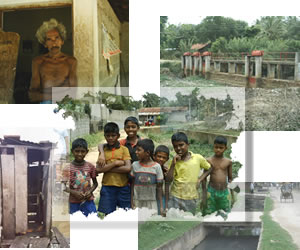 The problem of wastewater disposal in the rapidly growing peri-urban areas of secondary towns has intensified in the past few years. Local authorities need to recognise the great potential wastewater has for generating livelihoods for the urban poor. The solution lies in more innovative planning in sanitation and wastewater management for agricultural end-use, particularly in arid and semi-arid environments. Linking new WASH approaches to better wastewater agriculture practices will call for closer co-operation among a variety of stakeholders and more particularly town planning, sanitation, health and agriculture authorities, poor farmers and urban dwellers.
WASPA’s objectives are the alleviation of poverty through better hygiene and environmental sanitation and the improvement of the nutritional status and income levels among poor urban dwellers through the productive use of wastewater in peri-urban areas of large towns and secondary cities.
The strategic focus of the WASPA program is to bring about closer collaboration between the Water for Food and WASH sectors by showing how to integrate wastewater agriculture development into holistic strategies for wastewater management and household-centred sanitation.